
Blog / Winter Tires

Blog

All Winter Tires Indianapolis Honda Dealer Ed Martin Honda Around Town Indianapolis Honda Service Ed Martin Honda Service Auto Maintenance Safety Features 2024 Lineup 2026 Models 2026 Honda Service Guide Auto Parts Auto Financing Indianapolis Used Cars Sedan Honda Pilot 2025 Models Civic Honda Odyssey CR-V Hybrid Honda Accord Hybrid Honda HR-V Oil Change Air Filter CR-V Honda Accord Honda Civic Car Battery Civic SI Finance Honda CR-V Honda Prologue Winter 2026 Honda Accord 2026 Honda Passport 2026 Honda Prelude 2026 Honda Ridgeline Civic Type R EV Headlights Minivan SUV

Honda Tire Care: Ensuring Safety and Performance

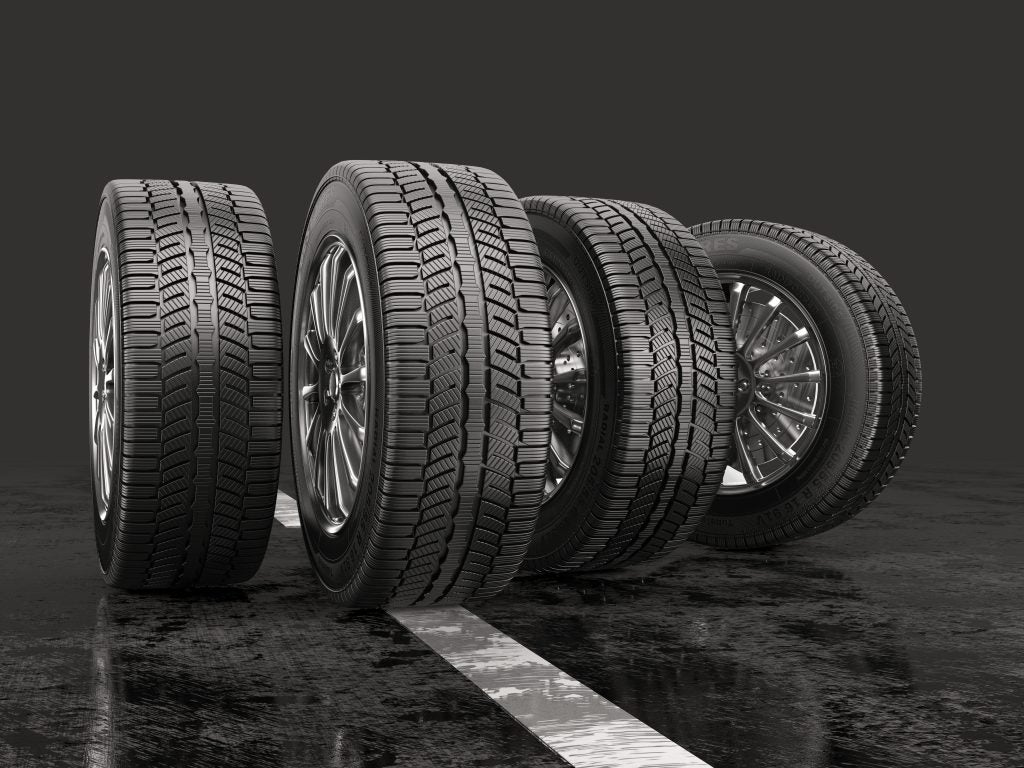
Your Honda's handling and safety require tires that are firm, even, aligned, and undamaged. The following Honda tire maintenance procedures will keep you as safe as possible from tire-related trouble on the road. more Honda Tire Maintenance: Ensuring Safety and Performance Measure Tread Depth Once your treads reach 2/32 of an inch in depth, it's time for new tires. At anything below this shallowness, tire treads can't safely displace water and maintain traction on wet surfaces. It's a good idea to measure your tread depths monthly, especially when your tires are more than two or three years old. Monitor Air Pressure The pounds per square inch (PSI) of air pressure inside each tire must always be precisely the figure stipulated in your owner's manual. Improperly inflated tires worsen performance and heighten the risk of blowouts. Drivers should familiarize themselves with their Honda's target PSI and measure the pressure of each tire once a month. You can then remove or add air as needed. Rotate Your Tires It's natural for car tires to become slightly uneven in wear over time. This occurs because every time you brake, accelerate, or steer, extra pressure is put on certain tires, which causes uneven wear patterns. However, uneven tire wear can lead to premature tire failure. It's important to prevent this by having your tires rotated twice a year. Check Tire Alignment Your tires are also likely to slowly become misaligned. Potholes, curbs, parking stanchions, off-roading, and rough stretches of road all jolt and shake the suspension components holding each tire in place. This gradually alters the tire angles, which is bad for handling and road safety. It's advisable to have your tire alignment measured every six months and corrected whenever necessary. Balance Each Tire Every tire has an ever-so-slightly heavier spot, which can cause uneven wear and excess vibrations. You can have this fixed with tire balancing. Over time, this problem tends to reappear in different parts of the tire, which means you'll need regular balancing; twice a year works well for many drivers. Watch Out for Tire Trouble Each time you inspect their treads and air pressure, also scan your tires for signs of harm. Strange bulges, cuts, cracks, or embedded objects should be brought to the attention of a trusted technician who can either repair or replace the tire. You might also notice signs of bad tires while driving. Increased vibrations and road noise could indicate a problem, and squealing sounds might mean a tire or two has become misaligned. Any momentary loss of traction is a serious issue that shouldn't be ignored. Tire problems could also worsen your car's gas mileage, handling, and overall performance, which makes you feel less confident and safe behind the wheel. Allow us to maintain or replace your tires. Come to Ed Martin Honda in Indianapolis, IN today for any of the aforementioned tire services.
3 Signs Your Honda Needs Maintenance

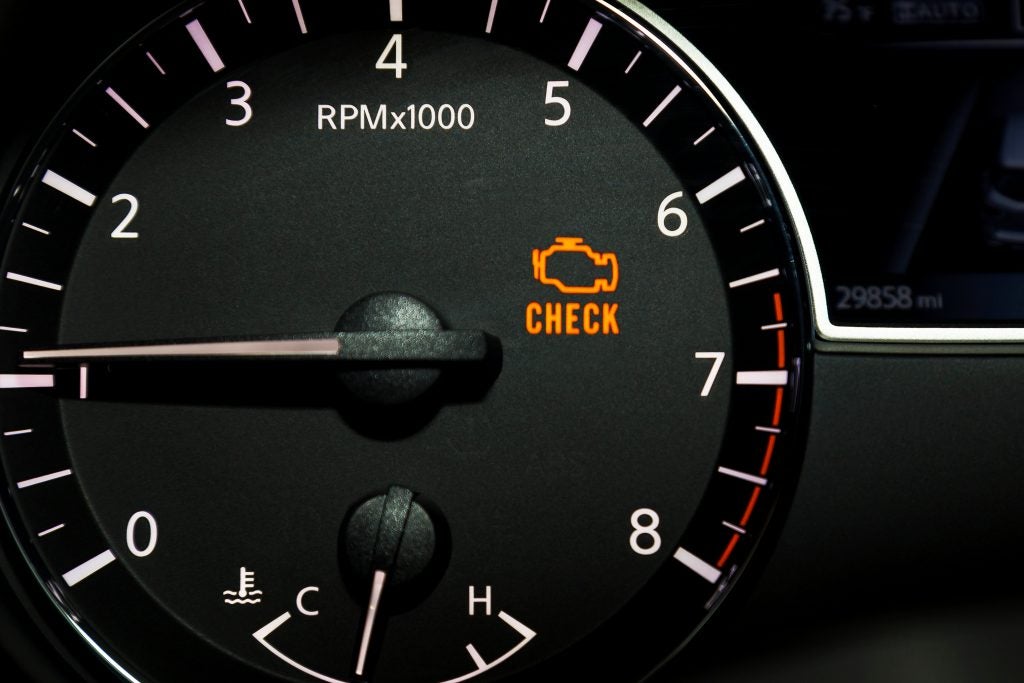
As time passes, even high-quality Honda parts will slowly wear out. Worn parts can cause numerous problems, ranging from leaks to decreased performance, and could even result in an accident. As your Honda dealership, we want you to know a few signs that something is wrong and you need to visit us for maintenance. more 3 Signs You Need To Visit Your Honda Dealership for Maintenance Soft Brake Pedal The brake pedal should feel firm when you press down on it and produce increased resistance as you apply more pressure to it. The resistance is caused by pressurized brake fluid that forces the calipers against the spinning rotors to generate the friction that stops your wheels. If you push on the pedal and feel little resistance, something is wrong. Low brake fluid pressure is caused by a leak in the braking system or an air bubble. Air can enter the sealed brake system over time, and the bubbles it forms block the fluid's movement. A hole in one of the brake hoses or lines results in fluid leaking and dropping pressure in the system. We'll examine your brakes and fix the problem so you can drive safely again. Cracked Wiper Blades Good wiper blades are essential for safe driving in rainy or snowy conditions. The blades are manufactured from high-quality rubber, giving them a longer service life and allowing them to quickly and effectively keep your windshield clear. In time, these blades lose their suppleness and harden due to exposure to sunlight, rain, cold, and heat. As the blades become less flexible, they can crack, and rubber pieces will break off. Damaged blades are less effective at keeping the windshield clean, reducing visibility. In addition, cracked blades can scratch the glass, potentially causing a crack in the windshield. We can replace damaged blades in minutes. Cupped Tires Cupping is a type of damage to the edge of the tread that looks like sections have been scooped out at regular intervals. It occurs when the tread hits the surface with more force than it should. If it appears only on one tire, it could be caused by poor balance. We correct this by attaching the affected tire to our tire balancing machine. It will identify any imbalance, and we will add weights to the affected areas to fix the issue. If more than one tire is cupped, your wheel alignment could be the problem. Alignment is the angle of a tire seen from directly ahead and from above, and whether it's angled forward or backward. The wheel alignment can be altered due to impact with hard objects or traveling over irregular terrain. We'll connect your wheels to our wheel alignment machine, which will readjust their angles. Book your Honda's maintenance today by contacting us at Ed Martin Honda in Indianapolis, IN.

A snowy road near Indianapolis, Indiana

Do You Need Winter Tires? Ask Your Honda Dealership in Indianapolis, IN

As the winter season approaches, it can be essential to prepare your vehicle for the challenges of icy roads and snowfall. Equipping your Honda with the right winter tires is a critical step in ensuring safety and optimal performance during the colder months. At Ed Martin Honda in Indianapolis, we specialize in helping you select and install the perfect winter tires for your specific Honda model. more Why Winter Tires Are Essential Winter tires are designed to provide superior grip and handling in cold conditions. Unlike all-season tires, winter tires are crafted with specialized rubber compounds and tread patterns to maintain flexibility and traction on snow and ice. This enhanced performance can make all the difference when navigating slick or uneven winter roads. Choose the Right Winter Tires for Your Honda Every Honda model has unique requirements for tires, and choosing the right set can greatly impact your driving experience. At Ed Martin Honda, we carry a wide selection of winter tires. Our team ensures that the tires you choose meet manufacturer specifications and deliver the best performance for your vehicle. Winter Tire Maintenance Tips Proper care and maintenance of your winter tires can extend their lifespan and enhance their performance. Follow these tips for optimal results: Monitor Tire Pressure: Cold weather can cause pressure to drop. Check regularly to maintain proper levels. Inspect Tread Depth: Adequate tread depth is crucial for grip. Replace tires if tread is worn. Rotate Tires Regularly: Rotating tires evenly distributes wear, extending their usability. Why Choose Ed Martin Honda? As your trusted Honda dealership in Indianapolis, we pride ourselves on delivering exceptional service and expertise. When you visit us for winter tire needs, you’ll benefit from: Comprehensive Selection: Access to top-quality winter tires from leading brands. Expert Advice: Guidance tailored to your vehicle’s make and model. Certified Technicians: Factory-trained professionals with extensive experience. Schedule Your Winter Tire Appointment Today Don’t let winter catch you unprepared. Visit Ed Martin Honda in Indianapolis to explore our winter tire options and enjoy the peace of mind that comes with professional installation and support. Contact us today to schedule an appointment or drop by our dealership to speak with our team. Your safety is our top priority, and we’re here to help you stay ready for whatever the season brings.

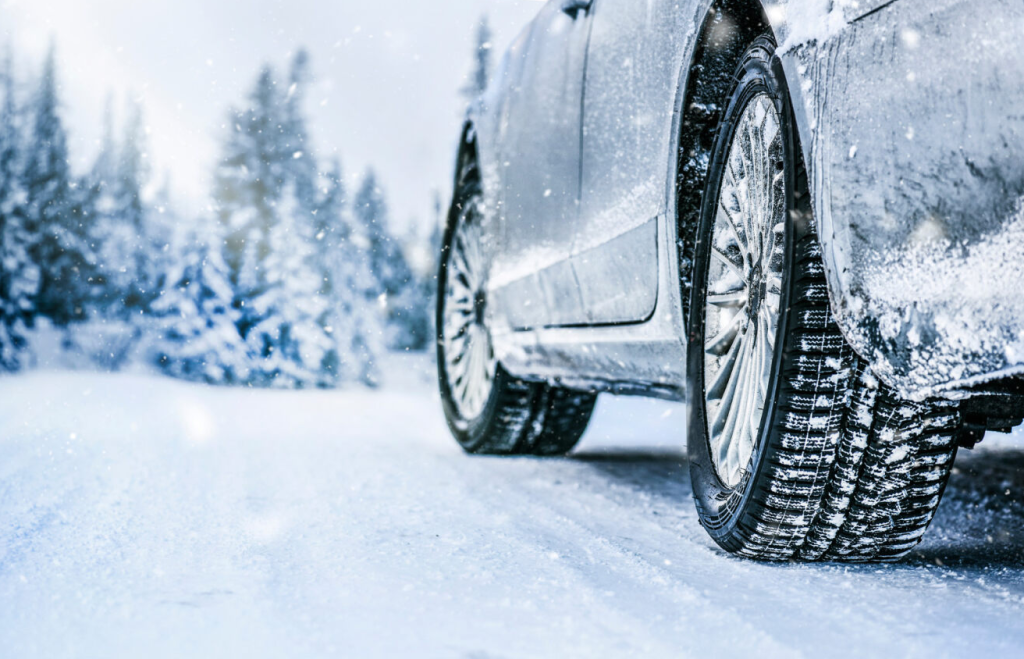
A car driving with winter tires equipped near Indianapolis, Indiana

Time for Winter Tires? Visit Your Honda Dealership

When winter rolls around, getting winter tires from your Honda dealership is often necessary to keep you and your family as safe as possible. These tires are better able to handle cold weather and difficult road conditions than your regular ones. Let's take a look at exactly what they do and who'll need to outfit their wheels in cold-weather tires every winter. more When Is It Time to Visit the Honda Dealership for New Tires in Winter? It's time for cold-weather tires when the temperatures regularly start dropping below 40°F. Anyone who'll be staying in Indianapolis, or any part of Indiana, for the majority of winter needs tires that are made specifically to deal with these low temperatures. If you forgo getting these tires, then you will be able to drive, but you won't be particularly safe when the roads are covered in slush and the temperatures are very low. We suggest visiting the dealer before the coldest months hit so you can get your cold-whether tires fitted in time for the harsher parts of winter. What Do Winter Tires Do? They Stay Supple Summer and all-season tires are made differently from winter ones. Summer and all-season tires harden up in winter, but that's not something that happens to tires specifically made to be used in cold weather. You need your tires to be supple enough to grip the road, and regular tires just won't have the level of suppleness required to tackle the winter months. They Eject Slush and Water Roads can become laden with slush in winter, and they tend to be very wet even when there's no slush present. You need tires with enough sipes to easily eject this slush and moisture. Tires made for cold weather have more sipes than all-season and summer tires. The extra sipes also help eject snow if you travel to snowier areas this winter. They Make Handling Safer and Easier Because cold-whether tires remain supple and don't lose much traction on slippery roads, they handle much better in cold weather than all-season and summer tires. You'll have a lot more control when braking and cornering, which is vital so you can stay as safe as possible and make driving as easy as it can be. What About All-Weather Tires for Winter? Most drivers tend to have summer or all-season tires on their cars for most of the year. However, if you have all-weather tires, then you may wonder if they'll suffice in winter so you won't need to get tires made specifically for the chilly months. While these all-whether tires can work in mild winter conditions, they're generally not suitable for winters in Indianapolis, where the weather is routinely below 40°F and drops below freezing regularly. Come to Ed Martin Honda so we can find the perfect cold-whether tires for your vehicle. We'll fit them and maintain them for you over the winter months.

Contact Us

Fill out this form below and we'll contact you shortly
*Required Fields