
Blog / Service Guide

Blog

All Service Guide Indianapolis Honda Dealer Ed Martin Honda Around Town Indianapolis Honda Service Ed Martin Honda Service Auto Maintenance Safety Features 2024 Lineup 2026 Models 2026 Honda Auto Parts Auto Financing Indianapolis Used Cars Sedan Honda Pilot 2025 Models Civic Honda Odyssey CR-V Hybrid Honda Accord Hybrid Honda HR-V Oil Change Winter Tires Air Filter CR-V Honda Accord Honda Civic Car Battery Civic SI Finance Honda CR-V Honda Prologue Winter 2026 Honda Accord 2026 Honda Passport 2026 Honda Prelude 2026 Honda Ridgeline Civic Type R EV Headlights Minivan SUV
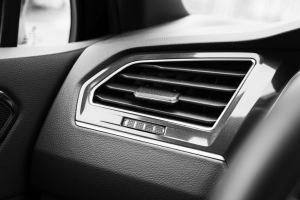
A car's AC vent near Indianapolis, Indiana

Honda Air Conditioning Maintenance: Ensuring Optimal Performance

AC components can become damaged or wear out due to age, and this can cause problems ranging from no airflow to strange noises or a wet carpet. As your Honda dealer, we'd like to tell you a few signs you'll need to visit us for AC maintenance. more The compressor is the most important part of the AC system, and if it fails, the AC won't work. It acts as a pump to push refrigerant and air through the AC so the air can be cooled and then blown into the cabin on demand. If it's quiet and you listen closely, you'll hear the click of the compressor clutch switching the compressor on and off as the air moves through the system. A compressor can fail due to age, and you'll usually hear grinding or clunking sounds before this happens. If the compressor suddenly stops working, the most common reason is an electrical problem. Broken wiring or a blown compressor fuse will immediately shut the compressor down until the problem is fixed. We'll examine your compressor and can quickly replace the fuse or the wiring to bring it to life again. Wet Floor If your passenger front carpet is unexpectedly wet, there could be a problem with the AC's drainage. Water is removed from the air before it is chilled, and it collects in the evaporator heater box positioned behind the front passenger seat fireboard. The water then drains out through a rubber drain pipe, creating the puddles you'll often see under your Honda on a hot day. Bacteria growth can block the drainpipe, and the heater box will fill and overflow through the fireboard to soak the front passenger carpet. We can quickly fix this problem by cleaning the heater box and replacing the old drain pipe, then cleaning the fireboard and carpet with an antibacterial cleaning solution to remove any remaining bacteria. Damaged Blower Resistor If your AC blows air at the same speed regardless of the speed setting you choose, the blower resistor may have failed. The blower resistor controls the speed of the blower motor, which blows air into your cabin. When you choose a speed setting, the resistor locks the motor to that speed until you change it. The resistor can wear out with time and remain stuck on its last speed setting. Our technicians will replace the resistor, and the AC will blow at the speed you require again. If your AC has a problem, contact us today at Ed Martin Honda today..
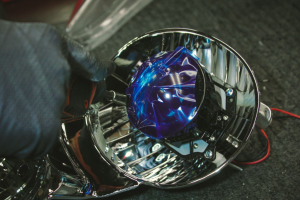
A service technician working on a car's headlights near Indianapolis, Indiana

Need New Headlights? Visit Your Honda Dealership

Poor visibility plays a role in many nighttime accidents. Without strong headlights, you put yourself in danger when driving after dark. It's wise to check all the external lights of your car once a month. If you notice the following warning signs with your headlights, visit your local Honda dealership to have new headlights installed without delay. more Flickering Light There are three main types of headlights: halogen, high-intensity discharge (HID), and light-emitting diode (LED) bulbs, which have a typical lifespan of 1,000 hours, 5,000 hours, and 50,000 hours, respectively. When nearing the end, halogen bulbs will often start to flicker as the filament breaks or burns out. HID and LED bulbs are less likely to flicker but might, especially if there's a problem with the harness, wiring, or underlying electrical system. Dimming Light If you find yourself squinting to see the road ahead at night, pull over and inspect the brightness of your headlights. One or more of the bulbs may be fading, which is common with all bulb types as they fail. If one bulb is dimming, you may need to replace both bulbs in the pair as the second one probably doesn't have long to live. Dirty, Hazy Lenses Headlight lenses can gradually become excessively dirtied or scratched, causing the light to become hazy or yellow. You can try cleaning a dirty headlight lens to see if it resolves the problem. If your lenses are severely scratched or oxidized by too much exposure to UV rays, you'll need to have them replaced. Moisture Behind a Lens Headlight lenses need a watertight seal to keep all moisture out. If you notice water behind the lens, remove it, dry the harness out, and ask a technician to properly seal the lens. If left unresolved, moisture can quickly damage the bulb socket and connected wiring. Only Low or High Beams Working Sometimes, electrical problems cause only the low-beam bulbs to fail, or only the high beams. Although you still have light, your visibility is greatly diminished with low beams alone. And it's hazardous to drive with only high beams working, as you need to dim them whenever another car passes, which would leave you driving in darkness. Blowing Headlight Fuse A fuse protects the headlight bulbs from unexpected electrical surges. A repeatedly blowing fuse might point to trouble with the wiring, battery, or alternator. It might also be caused by a faulty or incorrectly installed bulb. Have your headlights inspected and repaired today, with new bulbs installed, at Ed Martin Honda in Indianapolis, IN. We're a local dealership providing terrific vehicles, deals, maintenance, and customer service to the drivers of our community and farther afield.

A snowy road near Indianapolis, Indiana

Do You Need Winter Tires? Ask Your Honda Dealership in Indianapolis, IN

As the winter season approaches, it can be essential to prepare your vehicle for the challenges of icy roads and snowfall. Equipping your Honda with the right winter tires is a critical step in ensuring safety and optimal performance during the colder months. At Ed Martin Honda in Indianapolis, we specialize in helping you select and install the perfect winter tires for your specific Honda model. more Why Winter Tires Are Essential Winter tires are designed to provide superior grip and handling in cold conditions. Unlike all-season tires, winter tires are crafted with specialized rubber compounds and tread patterns to maintain flexibility and traction on snow and ice. This enhanced performance can make all the difference when navigating slick or uneven winter roads. Choose the Right Winter Tires for Your Honda Every Honda model has unique requirements for tires, and choosing the right set can greatly impact your driving experience. At Ed Martin Honda, we carry a wide selection of winter tires. Our team ensures that the tires you choose meet manufacturer specifications and deliver the best performance for your vehicle. Winter Tire Maintenance Tips Proper care and maintenance of your winter tires can extend their lifespan and enhance their performance. Follow these tips for optimal results: Monitor Tire Pressure: Cold weather can cause pressure to drop. Check regularly to maintain proper levels. Inspect Tread Depth: Adequate tread depth is crucial for grip. Replace tires if tread is worn. Rotate Tires Regularly: Rotating tires evenly distributes wear, extending their usability. Why Choose Ed Martin Honda? As your trusted Honda dealership in Indianapolis, we pride ourselves on delivering exceptional service and expertise. When you visit us for winter tire needs, you’ll benefit from: Comprehensive Selection: Access to top-quality winter tires from leading brands. Expert Advice: Guidance tailored to your vehicle’s make and model. Certified Technicians: Factory-trained professionals with extensive experience. Schedule Your Winter Tire Appointment Today Don’t let winter catch you unprepared. Visit Ed Martin Honda in Indianapolis to explore our winter tire options and enjoy the peace of mind that comes with professional installation and support. Contact us today to schedule an appointment or drop by our dealership to speak with our team. Your safety is our top priority, and we’re here to help you stay ready for whatever the season brings.

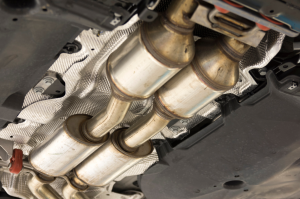
A photo of a car's catalytic converter taken near Indianapolis, Indiana

Eco-Friendly Driving: Maintaining Your Honda's Emission System

The emission system and exhaust system are crucial parts of your Honda. These systems work together to convert dangerous chemicals into less harmful ones before they're expelled from your vehicle. A problem in either system can cause toxic gases to leak, increasing pollution and potentially damaging your vehicle. As your Honda dealer, we want to give you a few signs you need to visit us for a repair of one of these systems. more Blocked Catalytic Converter The converter receives dangerous chemicals, like carbon monoxide and hydrogen sulfide, produced by combustion. It uses chemical reactions, crushing pressure, and intense heat to convert them into water and harmless chemicals like carbon dioxide and sulfur dioxide. Once the conversion is complete, the new gases flow into the exhaust and leave via the tailpipe. Carbon is produced as a byproduct of this conversion process, and it gradually builds up in the converter and can block the exit to the exhaust. This forces the gases into your engine, causing engine pressure to increase. The increased pressure can cause misfiring, stalling, or force the engine to shut down. We can quickly remove any blockage to fix this issue. Smell of Gas The fuel, exhaust, and combustion systems form a closed loop, so you should never smell gas in the cabin. If you do smell gas, it's usually caused by damage to the exhaust, specifically the exhaust manifold. When combustion in a cylinder is complete, the exhaust valve opens and dumps the gases into the exhaust manifold that leads to the converter, where the gases are changed. Rust or damage from stones or other hard objects thrown up from the surface can punch a hole in the manifold, and the gases will escape. This not only causes pollution, but air enters through the hole and passes into the engine, reducing engine performance. Our technicians will find and seal the hole, and the gas smell will disappear. Strange Noises If you hear a noise under your vehicle that sounds like metal on metal, part of your exhaust could be loose. A rattling sound, on the other hand, could mean your converter is damaged. The exhaust pipe is secured to the body by rubber hangers. A worn or damaged hanger will loosen the exhaust, which then bangs against the underside of your Honda. We'll fix this problem by replacing the hanger. The converter has a honeycomb interior structure to provide the largest area for conversion. If the converter overheats, the intense heat can crack the honeycomb, and pieces will break off. These pieces then move around as you drive. The honeycomb can't be repaired, but we can install a new converter. If you suspect any problem with these systems, contact Superior Honda to schedule a service appointment as soon as possible.

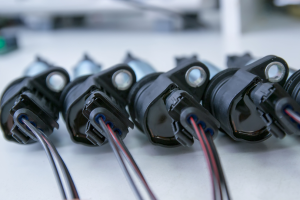
A set of ignition coils sitting on a table near Indianapolis, Indiana

3 Signs of a Faulty Ignition Coil

Ignition coils act like mini transformers. A coil is connected to each spark plug, boosting its 12-volt output to 30,000 volts and igniting the fuel-air mixture to produce combustion. Coils will wear out due to age and can be damaged by spark plug failures or other engine issues. As your Honda dealership, we want to tell you a few signs you may need to visit us for new coils. more Fuel-Air Mixture Problems The engine requires fuel and air to mix in a precise ratio of 14:1 air-to-fuel to produce efficient combustion. Too much air or too much fuel creates an imbalance. This affects engine performance and damages the coils. If the engine has too much air, the mixture is fuel-lean, while too much fuel makes the mixture fuel-rich. A fuel-lean engine forces the spark plugs to work harder as there's less fuel to burn. This causes their connected coils to fire more often and wear out faster. A fuel-rich engine creates carbon, which sticks to the plugs and coils. Sticky carbon deposits make it harder for the plugs and coils to work, and this damages the coils. Our technicians can correct the fuel-air mixture issue and test the coils, replacing them if they're damaged. Old Coils Coils wear out in time like all other components. On average, coils need replacement every 60,000 to 100,000 miles. The correct replacement time for your coils is listed in your Honda handbook. Worn coils provide less power to the spark plugs, making igniting the fuel-air mixture more difficult. If the spark plugs don't have enough power, the fuel-air mixture burns irregularly instead of creating a perfectly timed series of ignitions. Misfiring is what happens when fuel burns irregularly. You'll experience a dip in power and a shudder-like feeling from the engine. Continued misfiring can also result in long-term engine damage as it increases wear and tear on the cylinders and pistons. We'll examine your coils and replace any that have failed, and your engine performance will return to normal. Check Engine Light The check engine light illuminates if engine sensors detect any problem that affects engine performance. These sensors are connected to every important component, and they can detect even the slightest change in these components. A worn or damaged coil supplies less or irregular power, which affects the performance of its connected spark plug. The sensors will identify this problem and instantly advise your computer. The computer logs this problem and activates the check engine light. We'll connect your computer to our diagnostic system to find the cause of the trouble. Once the affected coils are replaced, the engine light will go out. If you experience a problem with the coils, contact our service department at Ed Martin Honda in Indianapolis, IN.

A person putting their toolbox into a 2024 Honda Ridgeline near Indianapolis, Indiana

5 Reasons to Get Differential Service at Your Honda Dealer

It's easy to overlook the differential. This is a vital component of your car, though, because it transfers power from the engine to the wheels in just the right way, and how it does that affects everything from handling to fuel efficiency. Getting differential service at your Honda dealer is the best way to keep it in good shape and avoid any expensive problems in the future. more 1. Expertise in Honda Systems When you get work done by technicians who are specially trained in Honda's unique engineering and systems and who are required to stay updated with the latest advancements in Honda technology, it's more likely that the job is done correctly the first time. Differentials can be quite different from model to model and make to make and from front-wheel drive, rear-wheel drive, or all-wheel drive systems. Honda technicians understand each system, whether it's the Real Time AWD system in a CR-V or the Super Handling-All Wheel Drive (SH-AWD) in an Acura. 2. Use of Genuine Honda Parts and Fluids Dealerships have direct access to genuine components, so any replacements or top-offs are going to be up to manufacturer specifications. Aftermarket parts and fluids may not meet the exact requirements of your differential system, and incompatible fluids can lead to increased friction, overheating, or even complete failure of the differential. 3. Advanced Diagnostic Equipment Our technicians have the latest diagnostic and service tools, all of which are designed specifically for Hondas and come straight from the manufacturer. This helps them accurately assess the condition of your differential and identify any potential issues that might not be apparent through a basic inspection. Advanced tools mean quicker diagnostics and repairs. 4. Warranty Protection If your Honda is still under warranty, getting service done at an authorized dealer means you won't risk anything interfering with that coverage. While you don't void the warranty just by having a third-party mechanic do work or using an aftermarket part, if issues arise, then your entire warranty could be voided. 5. Comprehensive Vehicle Care When you bring your vehicle in for service, we'll do a complimentary multi-point inspection. This thorough check covers all your essential systems, like the brakes, tires, and fluids. The idea is to stay ahead of potential issues. Plus, keeping a detailed service history at your dealer can enhance the resale value of your vehicle. A vehicle with a well-documented service history usually commands a higher resale value because buyers are willing to pay a premium for a car that has been maintained perfectly. To get ​service from Honda experts you can always count on, come see us at Ed Martin Honda in Indianapolis, IN today.

One person holding a thumbs-up sign, next to another person holding a wrench inside of a service center near Indianapolis, Indiana

4 Maintenance Tips for Your New Honda

Congratulations! You are the proud owner of a new Honda! To take care of your brand-new car's maintenance requirements, we share helpful Honda maintenance tips to make it easy and affordable to keep your Honda in top running condition for thousands of miles. more 1. Read Your Honda Owner's Manual The first thing you should do after buying your new car is to get comfortable in the driver's seat and read your Honda owner's manual. It has all the information about your Honda model, from how to operate your vehicle and the different meanings of the dashboard warning lights to how the Maintenance Minder works. The information in your manual is critical in keeping your Honda reliable, fuel-efficient, and on the road much longer. 2. Keep an Eye on the Maintenance Minder Not so long ago, Honda owners relied on the service schedule and mileage intervals for information on their cars' service requirements and specific maintenance tasks that needed to be performed. Not anymore. The innovative Maintenance Minder monitors your Honda's operating conditions, such as the speed and engine temperature, and alerts you when your car needs new oil or maintenance. The Maintenance Minder shows your car's oil life as a percentage, starting at 100% and counting down to 0%. A warning light will go on when you need to take your car for a maintenance service. It even tells you what type of maintenance your Honda needs through codes. 3. Get Maintenance Fast With Honda Express Service Keeping up with your Maintenance Minder code A1, A2, B1, and B2 maintenance services is quick and easy with Honda Express Service. A service usually takes less than an hour, you get a free car wash, and you don't need to book an appointment. Just swing by when you have time, and our team of certified Honda technicians will give your car a service using genuine Honda parts and fluids, a multi-point inspection, and a car wash in 60 minutes or less, while you relax in our comfortable client lounge with complimentary refreshments and WiFi. 4. Take Advantage of Honda Service Pass Honda Service Pass is a complimentary service plan that makes it more affordable for you as the owner of a new model to take care of your car's maintenance requirements. The plan covers maintenance tasks, such as oil changes, multi-point inspections, and tire rotations indicated by the Maintenance Minder for up to 24,000 miles or two years, whichever comes first. Owning a new and shiny Honda comes with a lot of great perks! Best of all, taking care of your brand-new car's maintenance requirements is hassle-free and affordable. Stop at Ed Martin Honda in Indianapolis, IN, today, and our certified Honda technicians will ensure that you continue to enjoy every mile behind the wheel of your new car.

How Often Does Your Honda Need a Tire Rotation?

If your car has started to feel a little rougher on the road, it might be time to rotate your tires. Car tires almost always wear down unevenly, which shortens the lifespan of tires and also hampers vehicle handling. Routine tire rotation is an easy solution to uneven tire wear. Let's consider how often you should visit your local Honda dealership to have your car's tires swapped around. more Twice a Year Is a Good Rule of Thumb It's generally advised to have tires rotated twice a year. You can check your owner's manual and also your tire warranty for manufacturer recommendations. When it comes to rotating your tires, the more often you do it, the longer they'll last in good shape, which can amount to considerable cost savings over the years. And with more consistently even tires, you'll generally be safer on the road. Look Out for Signs of Uneven Tires No matter how long ago your last rotation was, it's best to have a rotation as soon as you notice signs of uneven tires. Your car will be noisier and vibrating more with uneven tires. You might also find it harder to steer precisely; your car's handling will feel less sure and you might experience moments of reduced traction on wet patches of tarmac. With uneven tires, your fuel economy will also reduce as heightened road friction increases drag. So you may find yourself spending more money at the gas station. Finally, when you inspect your tires, you're likely to see excessive wear on the front tires, sometimes on the rear tires, or perhaps irregular wear patterns on both sides of a single tire. Repair the Underlying Causes of Uneven Tire Wear Uneven tire wear can result from a variety of factors. The unbalanced weight distribution at the front and back of any car is one cause. The way a car's weight shifts forward whenever it brakes is another. Vehicle faults such as misaligned wheels or poorly inflated tires can also accelerate uneven tire wear. If your tires are surprisingly uneven, ask the technician to check for underlying faults and have them repaired to protect your tires in the future. Schedule Routine Rotations at Your Local Honda Dealership Given the importance of regular rotations, it's a good idea to schedule routine rotations at your nearest dealership. You may find it convenient to have your tires swapped around while having your oil changed, brakes inspected, and wheels aligned. Visit Ed Martin Honda in Indianapolis, IN, today to have your tires inspected and rotated by experienced professionals. We're a local family-owned and operated dealership that's been proudly serving the drivers of Indianapolis with top-notch cars and customer care for decades.

How Often Do You Need to Get a Honda Oil Change?

How Often Do You Need to Get a Honda Oil Change? Your best friend insists your Honda's oil should be changed every six months. Your neighbor says they wait up to 11,000 miles between oil changes, and an online post you read recommended that you change your oil at least three times every year. So what giv es? How often should you schedule a Honda oil change? more How Often Do You Need to Get a Honda Oil Change? The basic rule of thumb says cars using conventional oil should get a n oil change every 3,000 to 5,000 miles, which is about every 3 to 5 months. Vehicles that use synthetic oil should service every 7,500 to 10,000 miles, or every 7 to 10 months. That said, it's a great idea to always check the car owner's manual to determ ine the precise time you should schedule an oil change for your car. Moreover, you should be aware of some warning signs that notify you when your oil requires changing. These include the oil change warning light, loud engine noises, an oil smell inside th e car, and dark or dirty oil. What Affects Oil Change Routine? Oil change intervals vary depending on your car's model. Newer Honda car models come equipped with oil sensors that monitor climate, driving habits, and other conditions to determine the freq uency of oil changes. The oil change routine in earlier Honda models is usually determined based on time and mileage. Another factor that can affect your oil change routine is your driving style. If you like racing or driving at maximum speed or high rpm, your oil consumption will be high and you'll be required to change your oil more often. Driving conditions can also affect your oil change schedule; the more you drive in severe or hard conditions, the more oil changes you will require in the future. Seve re driving conditions may include, frequent towing, long-distance driving, or driving in extremely dusty areas or bad weather conditions. Why Perform Routine Oil Change? One of the primary reasons why you should change your Honda's oil more frequently is that it'll help keep your engine lubricated and cool. This will, in turn, prevent friction and overheating, enabling the engine to run more efficiently and smoothly. Routine oil changes as well as replacing your fuel filters more often will also lead to c leaner tailpipe emissions. Routine oil changes are also an opportunity for regular car maintenance and servicing. This will help you catch and fix potential safety issues before they develop into serious, costly problems. How Often Should You Check a Ho nda Oil Level? You should check your car's oil levels at least once every month. Regularly checking the oil levels will help you identify potential leaks and fix them before they wreak havoc. Also, check for any signs of lousy or old oil like change in col or and floating particles. Routine oil changes will ensure a long-lasting Honda engine with smooth performance. The service is quick and affordable when performed at Ed Martin Honda. Our experts are always ready to help keep your engine performing at its best for decades to come. Visit us today to talk with one of our expert service technicians..

Contact Us

Fill out this form below and we'll contact you shortly
*Required Fields