
Blog / Auto Maintenance

3 Signs Your Honda Needs Maintenance

As time passes, even high-quality Honda parts will slowly wear out. Worn parts can cause numerous problems, ranging from leaks to decreased performance, and could even result in an accident. As your Honda dealership, we want you to know a few signs that something is wrong and you need to visit us for maintenance.

3 Signs You Need To Visit Your Honda Dealership for Maintenance

Soft Brake Pedal

The brake pedal should feel firm when you press down on it and produce increased resistance as you apply more pressure to it. The resistance is caused by pressurized brake fluid that forces the calipers against the spinning rotors to generate the friction that stops your wheels. If you push on the pedal and feel little resistance, something is wrong.

Low brake fluid pressure is caused by a leak in the braking system or an air bubble. Air can enter the sealed brake system over time, and the bubbles it forms block the fluid's movement. A hole in one of the brake hoses or lines results in fluid leaking and dropping pressure in the system. We'll examine your brakes and fix the problem so you can drive safely again.

Cracked Wiper Blades

Good wiper blades are essential for safe driving in rainy or snowy conditions. The blades are manufactured from high-quality rubber, giving them a longer service life and allowing them to quickly and effectively keep your windshield clear. In time, these blades lose their suppleness and harden due to exposure to sunlight, rain, cold, and heat.

As the blades become less flexible, they can crack, and rubber pieces will break off. Damaged blades are less effective at keeping the windshield clean, reducing visibility. In addition, cracked blades can scratch the glass, potentially causing a crack in the windshield. We can replace damaged blades in minutes.

Cupped Tires

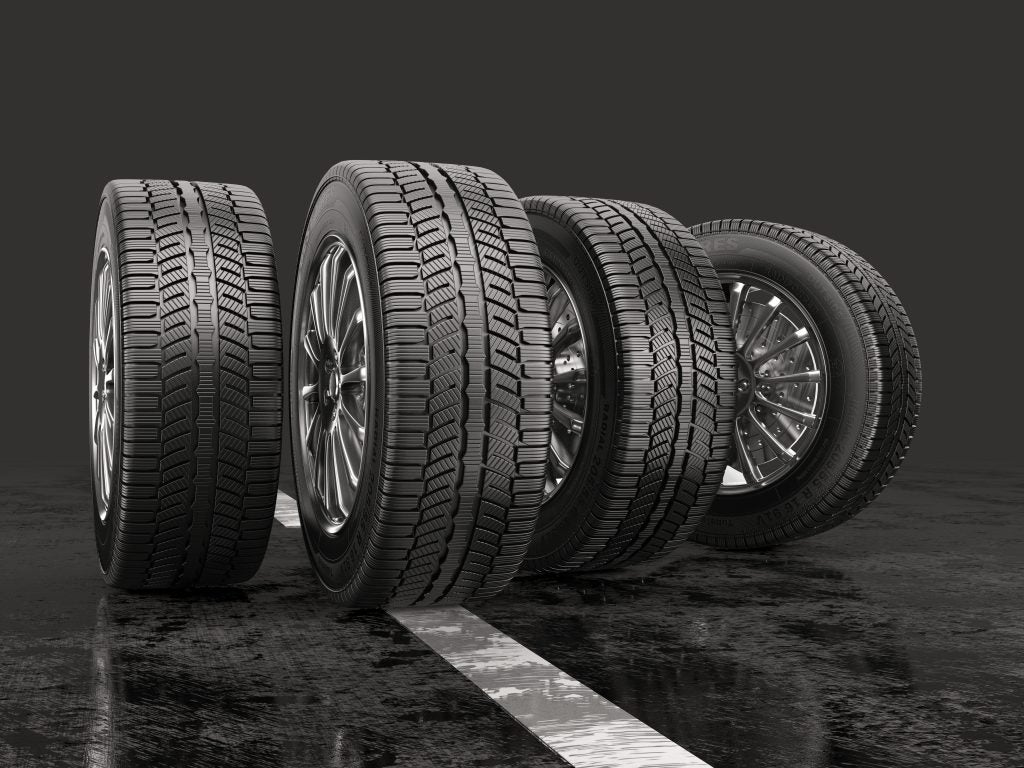
Cupping is a type of damage to the edge of the tread that looks like sections have been scooped out at regular intervals. It occurs when the tread hits the surface with more force than it should. If it appears only on one tire, it could be caused by poor balance. We correct this by attaching the affected tire to our tire balancing machine. It will identify any imbalance, and we will add weights to the affected areas to fix the issue.

If more than one tire is cupped, your wheel alignment could be the problem. Alignment is the angle of a tire seen from directly ahead and from above, and whether it's angled forward or backward. The wheel alignment can be altered due to impact with hard objects or traveling over irregular terrain. We'll connect your wheels to our wheel alignment machine, which will readjust their angles.

Book your Honda's maintenance today by contacting us at Ed Martin Honda in Indianapolis, IN.
Posted in:

Related Posts

Mechanic checking car battery in service center

Essential Honda Winter Maintenance Tips for Indianapolis Drivers

Winter in Indianapolis, IN, can be challenging for drivers, but with proper Honda winter maintenance, you can ensure your vehicle performs reliably throughout the season. From icy roads to frigid temperatures, preparing your Honda for winter conditions not only safeguards your car but also enhances your safety. more Why Honda Winter Maintenance Is Crucial Winter weather poses unique challenges for vehicles, including icy roads, freezing temperatures, and limited visibility. Your Honda's performance depends on key components like your tires, battery, and fluids being in optimal condition. Ignoring winter maintenance can lead to decreased performance or unexpected breakdowns when you need your vehicle the most. Honda models such as the CR-V, Civic, and Pilot are designed to handle diverse conditions, but even these reliable vehicles benefit from seasonal upkeep. For drivers in Indianapolis, where winter weather can be unpredictable, taking preventive steps ensures your Honda remains dependable. Key Areas to Focus on During Winter Maintenance Tires and Traction Winter tires can significantly improve traction on icy or snowy roads, reducing the risk of skidding. If your Honda is equipped with all-season tires, ensure they have sufficient tread depth for winter driving. Proper tire pressure is equally important as cold weather often causes it to drop. Check and adjust your tire pressure regularly to meet Honda's recommended levels. Battery Health Cold weather can drain your car battery faster than usual. Ensure your Honda's battery is fully charged and test its voltage before winter strikes. Keep an eye out for signs of a weakening battery, like dim headlights or slow engine cranks, and replace it if necessary. Fluids and Oil Honda vehicles, including popular models like the Accord and Ridgeline, rely on specific fluid types for various systems. In winter, engine oil thickens, making it harder for your engine to start. Ensure your oil is suitable for colder temperatures and check other vital fluids such as antifreeze, brake fluid, and windshield washer fluid. Windshield and Wipers Visibility is key during winter, especially in snow or sleet. Replace worn wiper blades with heavy-duty winter ones and keep your windshield washer fluid filled with a winter-grade solution to prevent freezing. De-ice your windshield thoroughly before driving to avoid obstructed views. How Ed Martin Honda Can Help At Ed Martin Honda in Indianapolis, IN, we understand the demands of winter places on your vehicle. Our certified technicians can help you with everything from tire checks and battery testing to fluid replacements and wiper blade installations. With our expertise in Honda winter maintenance, you can drive confidently no matter what the weather. Visit us today to learn more.

Maintaining Your Honda's Brake System: Service Tips

Optimizing the lifespan of your brakes takes a two-pronged approach. For one, you need good Honda brake maintenance, which includes prompt replacements of worn-out brake pads. It's also wise to take it easy on your brakes during your daily drives. Let's look at how to do both. more Maintaining Your Honda's Brake System: 6 Essential Tips Check Your Brake Fluid Monthly Brake fluid typically only needs to be flushed every two years, but it's important to keep an eye on it with monthly checks. If you find that your fluid has faded from clean, transparent yellow to a dark and dirty appearance, you may need to change it early. Also, never ignore a pool of fluid near the wheels, as it may be a brake fluid leak. Listen for Squealing Pads When you use your brakes, the brake pads are pressed against the rotors, which generates stopping friction and also wears the pads down. When a brake pad has almost lost its friction layer, it will usually emit a high-pitched squealing, which means it's time for a new pad. Notice Other Signs of Brake Trouble If your brakes seem weaker one day, take heed. On rare occasions, brakes can fade when overheating or because of a fluid leak. These kinds of problems require the immediate attention of a mechanic. Likewise, any grinding or clattering sounds from the brakes indicate a need for repairs. Book Biannual Honda Brake Maintenance However firm your brakes are, have them inspected twice a year. This allows our mechanics to examine each part, including the hoses and brake fluid. The practiced eye of a technician can detect even subtle signs of wear and tear before the driver might have noticed. Coast More and Brake Less Whenever you're nearing a stop or corner, take your foot off the gas and allow your car to coast, which slows it down effectively. You may then only need to use your brakes half as much, saving the pads and rotors from a good deal of pressure. Lighten the Load in Your Car The heavier the vehicle, the more strain on the brakes. Your brakes will last longer if you can find ways to make your car lighter. For starters, you may be able to remove unnecessary objects from the cabin, trunk, and roof rack, such as unused sports equipment, heavy floor mats, and toolkits. In the longer run, you might consider removing the rear row of seats if you drive an SUV, installing lighter alloy wheels, and even upgrading your chassis and brakes. Anything you can do to lighten your car saves not only the brakes but also the engine and transmission from wear. Visit Penske Honda Ontario in Ontario, CA, today for prompt, courteous automotive servicing. Whatever you need, we offer a first-class vehicle purchasing and maintenance experience.

Honda Tire Care: Ensuring Safety and Performance

Your Honda's handling and safety require tires that are firm, even, aligned, and undamaged. The following Honda tire maintenance procedures will keep you as safe as possible from tire-related trouble on the road. more Honda Tire Maintenance: Ensuring Safety and Performance Measure Tread Depth Once your treads reach 2/32 of an inch in depth, it's time for new tires. At anything below this shallowness, tire treads can't safely displace water and maintain traction on wet surfaces. It's a good idea to measure your tread depths monthly, especially when your tires are more than two or three years old. Monitor Air Pressure The pounds per square inch (PSI) of air pressure inside each tire must always be precisely the figure stipulated in your owner's manual. Improperly inflated tires worsen performance and heighten the risk of blowouts. Drivers should familiarize themselves with their Honda's target PSI and measure the pressure of each tire once a month. You can then remove or add air as needed. Rotate Your Tires It's natural for car tires to become slightly uneven in wear over time. This occurs because every time you brake, accelerate, or steer, extra pressure is put on certain tires, which causes uneven wear patterns. However, uneven tire wear can lead to premature tire failure. It's important to prevent this by having your tires rotated twice a year. Check Tire Alignment Your tires are also likely to slowly become misaligned. Potholes, curbs, parking stanchions, off-roading, and rough stretches of road all jolt and shake the suspension components holding each tire in place. This gradually alters the tire angles, which is bad for handling and road safety. It's advisable to have your tire alignment measured every six months and corrected whenever necessary. Balance Each Tire Every tire has an ever-so-slightly heavier spot, which can cause uneven wear and excess vibrations. You can have this fixed with tire balancing. Over time, this problem tends to reappear in different parts of the tire, which means you'll need regular balancing; twice a year works well for many drivers. Watch Out for Tire Trouble Each time you inspect their treads and air pressure, also scan your tires for signs of harm. Strange bulges, cuts, cracks, or embedded objects should be brought to the attention of a trusted technician who can either repair or replace the tire. You might also notice signs of bad tires while driving. Increased vibrations and road noise could indicate a problem, and squealing sounds might mean a tire or two has become misaligned. Any momentary loss of traction is a serious issue that shouldn't be ignored. Tire problems could also worsen your car's gas mileage, handling, and overall performance, which makes you feel less confident and safe behind the wheel. Allow us to maintain or replace your tires. Come to Ed Martin Honda in Indianapolis, IN today for any of the aforementioned tire services.