
Blog / Auto Parts

Blog

All Auto Parts Indianapolis Honda Dealer Ed Martin Honda Around Town Indianapolis Honda Service Ed Martin Honda Service Auto Maintenance Safety Features 2024 Lineup 2026 Models 2026 Honda Service Guide Auto Financing Indianapolis Used Cars Sedan Honda Pilot 2025 Models Civic Honda Odyssey CR-V Hybrid Honda Accord Hybrid Honda HR-V Oil Change Winter Tires Air Filter CR-V Honda Accord Honda Civic Car Battery Civic SI Finance Honda CR-V Honda Prologue Winter 2026 Honda Accord 2026 Honda Passport 2026 Honda Prelude 2026 Honda Ridgeline Civic Type R EV Headlights Minivan SUV
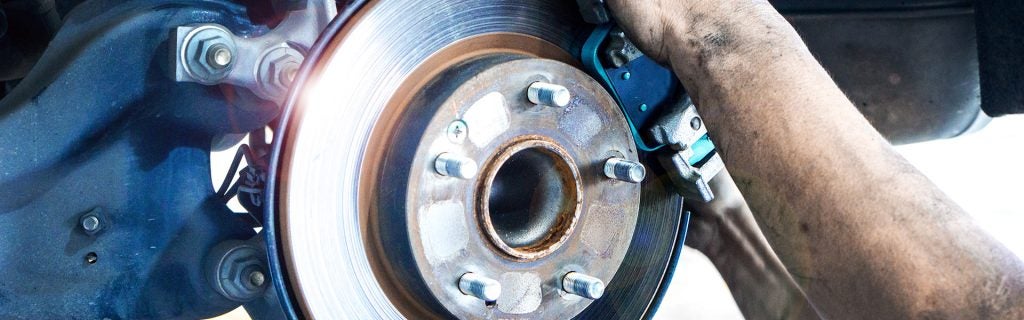
A close-up of a mechanic working on a vehicle's brake system.

Honda Brake Service in Indianapolis, IN: Expert Care for Your Safety

Why Regular Brake Service Matters Your vehicle's braking system is one of its most critical safety features, and keeping it in top condition is essential for safe driving. Whether you're navigating busy streets or cruising on open highways, reliable brakes ensure you can stop when needed. Regular Honda brake service in Indianapolis, IN, helps maintain your vehicle's performance and prevents costly repairs down the road. Ignoring brake maintenance can lead to issues such as worn-out brake pads, reduced stopping power, and even potential accidents. By addressing these concerns early, you not only ensure your safety but also extend the lifespan of your braking components. more Signs You Need a Brake Check Recognizing when your brakes need attention is crucial. Some common signs include: - Squealing or grinding noises when braking - A spongy or unresponsive brake pedal - Vibrations or pulling to one side while braking - Warning lights on your dashboard If you notice any of these signs, scheduling a Honda brake service in Indianapolis, IN, should be your next step. At Ed Martin Honda, our certified technicians use genuine Honda parts and advanced diagnostic tools to ensure your brakes are functioning at their best. Honda Maintenance Tips for 2026: Keeping Your Brakes in Top Shape Staying proactive with your vehicle's maintenance can save you time and money. Here are some Honda maintenance tips for 2026 to help keep your brakes in excellent condition: 1. Follow Your Maintenance Schedule: Refer to your owner’s manual for recommended brake service intervals. Regular inspections can catch wear and tear before it becomes a problem. 2. Monitor Brake Fluid Levels: Low or dirty brake fluid can affect braking performance. Ensure it's checked and replaced as needed during routine maintenance. 3. Drive Smart: Avoid sudden stops and heavy braking whenever possible, as these can accelerate wear on your brake pads and rotors. 4. Listen for Unusual Noises: Pay attention to any changes in how your brakes sound or feel, as these could indicate an issue requiring immediate attention. By incorporating these tips into your routine, you'll not only maintain optimal braking performance but also enhance the overall longevity of your Honda vehicle. Why Choose Ed Martin Honda for Brake Service? When it comes to Honda brake service in Indianapolis, IN, Ed Martin Honda stands out for its commitment to quality and customer satisfaction. Our team of factory-trained technicians specializes in Honda vehicles, ensuring your car receives the best care possible. We use genuine Honda parts designed specifically for your model, providing a perfect fit and reliable performance. Additionally, our state-of-the-art service center is equipped with the latest tools and technology to diagnose and address any brake-related issues efficiently. Whether you're due for a routine inspection or need a complete brake replacement, you can trust Ed Martin Honda to deliver exceptional service tailored to your needs. Conclusion Your safety on the road starts with a well-maintained braking system. By prioritizing regular Honda brake service in Indianapolis, IN, you ensure peace of mind for every journey. At Ed Martin Honda, we’re here to help keep your vehicle running smoothly with expert care and personalized attention. Schedule your brake service today and experience the difference of working with a trusted local dealership. Let us help you stay safe and confident behind the wheel!
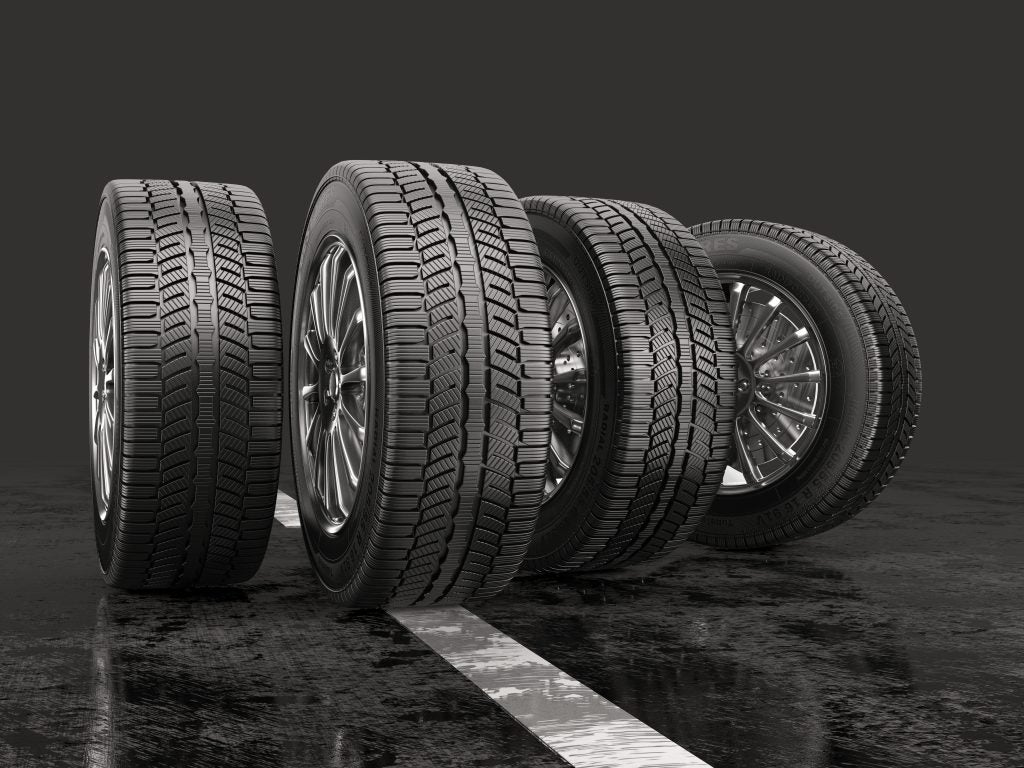
Honda Tire Care: Ensuring Safety and Performance

Your Honda's handling and safety require tires that are firm, even, aligned, and undamaged. The following Honda tire maintenance procedures will keep you as safe as possible from tire-related trouble on the road. more Honda Tire Maintenance: Ensuring Safety and Performance Measure Tread Depth Once your treads reach 2/32 of an inch in depth, it's time for new tires. At anything below this shallowness, tire treads can't safely displace water and maintain traction on wet surfaces. It's a good idea to measure your tread depths monthly, especially when your tires are more than two or three years old. Monitor Air Pressure The pounds per square inch (PSI) of air pressure inside each tire must always be precisely the figure stipulated in your owner's manual. Improperly inflated tires worsen performance and heighten the risk of blowouts. Drivers should familiarize themselves with their Honda's target PSI and measure the pressure of each tire once a month. You can then remove or add air as needed. Rotate Your Tires It's natural for car tires to become slightly uneven in wear over time. This occurs because every time you brake, accelerate, or steer, extra pressure is put on certain tires, which causes uneven wear patterns. However, uneven tire wear can lead to premature tire failure. It's important to prevent this by having your tires rotated twice a year. Check Tire Alignment Your tires are also likely to slowly become misaligned. Potholes, curbs, parking stanchions, off-roading, and rough stretches of road all jolt and shake the suspension components holding each tire in place. This gradually alters the tire angles, which is bad for handling and road safety. It's advisable to have your tire alignment measured every six months and corrected whenever necessary. Balance Each Tire Every tire has an ever-so-slightly heavier spot, which can cause uneven wear and excess vibrations. You can have this fixed with tire balancing. Over time, this problem tends to reappear in different parts of the tire, which means you'll need regular balancing; twice a year works well for many drivers. Watch Out for Tire Trouble Each time you inspect their treads and air pressure, also scan your tires for signs of harm. Strange bulges, cuts, cracks, or embedded objects should be brought to the attention of a trusted technician who can either repair or replace the tire. You might also notice signs of bad tires while driving. Increased vibrations and road noise could indicate a problem, and squealing sounds might mean a tire or two has become misaligned. Any momentary loss of traction is a serious issue that shouldn't be ignored. Tire problems could also worsen your car's gas mileage, handling, and overall performance, which makes you feel less confident and safe behind the wheel. Allow us to maintain or replace your tires. Come to Ed Martin Honda in Indianapolis, IN today for any of the aforementioned tire services.

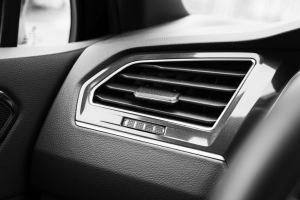
A car's AC vent near Indianapolis, Indiana

Honda Air Conditioning Maintenance: Ensuring Optimal Performance

AC components can become damaged or wear out due to age, and this can cause problems ranging from no airflow to strange noises or a wet carpet. As your Honda dealer, we'd like to tell you a few signs you'll need to visit us for AC maintenance. more The compressor is the most important part of the AC system, and if it fails, the AC won't work. It acts as a pump to push refrigerant and air through the AC so the air can be cooled and then blown into the cabin on demand. If it's quiet and you listen closely, you'll hear the click of the compressor clutch switching the compressor on and off as the air moves through the system. A compressor can fail due to age, and you'll usually hear grinding or clunking sounds before this happens. If the compressor suddenly stops working, the most common reason is an electrical problem. Broken wiring or a blown compressor fuse will immediately shut the compressor down until the problem is fixed. We'll examine your compressor and can quickly replace the fuse or the wiring to bring it to life again. Wet Floor If your passenger front carpet is unexpectedly wet, there could be a problem with the AC's drainage. Water is removed from the air before it is chilled, and it collects in the evaporator heater box positioned behind the front passenger seat fireboard. The water then drains out through a rubber drain pipe, creating the puddles you'll often see under your Honda on a hot day. Bacteria growth can block the drainpipe, and the heater box will fill and overflow through the fireboard to soak the front passenger carpet. We can quickly fix this problem by cleaning the heater box and replacing the old drain pipe, then cleaning the fireboard and carpet with an antibacterial cleaning solution to remove any remaining bacteria. Damaged Blower Resistor If your AC blows air at the same speed regardless of the speed setting you choose, the blower resistor may have failed. The blower resistor controls the speed of the blower motor, which blows air into your cabin. When you choose a speed setting, the resistor locks the motor to that speed until you change it. The resistor can wear out with time and remain stuck on its last speed setting. Our technicians will replace the resistor, and the AC will blow at the speed you require again. If your AC has a problem, contact us today at Ed Martin Honda today..

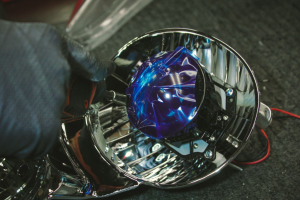
A service technician working on a car's headlights near Indianapolis, Indiana

Need New Headlights? Visit Your Honda Dealership

Poor visibility plays a role in many nighttime accidents. Without strong headlights, you put yourself in danger when driving after dark. It's wise to check all the external lights of your car once a month. If you notice the following warning signs with your headlights, visit your local Honda dealership to have new headlights installed without delay. more Flickering Light There are three main types of headlights: halogen, high-intensity discharge (HID), and light-emitting diode (LED) bulbs, which have a typical lifespan of 1,000 hours, 5,000 hours, and 50,000 hours, respectively. When nearing the end, halogen bulbs will often start to flicker as the filament breaks or burns out. HID and LED bulbs are less likely to flicker but might, especially if there's a problem with the harness, wiring, or underlying electrical system. Dimming Light If you find yourself squinting to see the road ahead at night, pull over and inspect the brightness of your headlights. One or more of the bulbs may be fading, which is common with all bulb types as they fail. If one bulb is dimming, you may need to replace both bulbs in the pair as the second one probably doesn't have long to live. Dirty, Hazy Lenses Headlight lenses can gradually become excessively dirtied or scratched, causing the light to become hazy or yellow. You can try cleaning a dirty headlight lens to see if it resolves the problem. If your lenses are severely scratched or oxidized by too much exposure to UV rays, you'll need to have them replaced. Moisture Behind a Lens Headlight lenses need a watertight seal to keep all moisture out. If you notice water behind the lens, remove it, dry the harness out, and ask a technician to properly seal the lens. If left unresolved, moisture can quickly damage the bulb socket and connected wiring. Only Low or High Beams Working Sometimes, electrical problems cause only the low-beam bulbs to fail, or only the high beams. Although you still have light, your visibility is greatly diminished with low beams alone. And it's hazardous to drive with only high beams working, as you need to dim them whenever another car passes, which would leave you driving in darkness. Blowing Headlight Fuse A fuse protects the headlight bulbs from unexpected electrical surges. A repeatedly blowing fuse might point to trouble with the wiring, battery, or alternator. It might also be caused by a faulty or incorrectly installed bulb. Have your headlights inspected and repaired today, with new bulbs installed, at Ed Martin Honda in Indianapolis, IN. We're a local dealership providing terrific vehicles, deals, maintenance, and customer service to the drivers of our community and farther afield.

A snowy road near Indianapolis, Indiana

Do You Need Winter Tires? Ask Your Honda Dealership in Indianapolis, IN

As the winter season approaches, it can be essential to prepare your vehicle for the challenges of icy roads and snowfall. Equipping your Honda with the right winter tires is a critical step in ensuring safety and optimal performance during the colder months. At Ed Martin Honda in Indianapolis, we specialize in helping you select and install the perfect winter tires for your specific Honda model. more Why Winter Tires Are Essential Winter tires are designed to provide superior grip and handling in cold conditions. Unlike all-season tires, winter tires are crafted with specialized rubber compounds and tread patterns to maintain flexibility and traction on snow and ice. This enhanced performance can make all the difference when navigating slick or uneven winter roads. Choose the Right Winter Tires for Your Honda Every Honda model has unique requirements for tires, and choosing the right set can greatly impact your driving experience. At Ed Martin Honda, we carry a wide selection of winter tires. Our team ensures that the tires you choose meet manufacturer specifications and deliver the best performance for your vehicle. Winter Tire Maintenance Tips Proper care and maintenance of your winter tires can extend their lifespan and enhance their performance. Follow these tips for optimal results: Monitor Tire Pressure: Cold weather can cause pressure to drop. Check regularly to maintain proper levels. Inspect Tread Depth: Adequate tread depth is crucial for grip. Replace tires if tread is worn. Rotate Tires Regularly: Rotating tires evenly distributes wear, extending their usability. Why Choose Ed Martin Honda? As your trusted Honda dealership in Indianapolis, we pride ourselves on delivering exceptional service and expertise. When you visit us for winter tire needs, you’ll benefit from: Comprehensive Selection: Access to top-quality winter tires from leading brands. Expert Advice: Guidance tailored to your vehicle’s make and model. Certified Technicians: Factory-trained professionals with extensive experience. Schedule Your Winter Tire Appointment Today Don’t let winter catch you unprepared. Visit Ed Martin Honda in Indianapolis to explore our winter tire options and enjoy the peace of mind that comes with professional installation and support. Contact us today to schedule an appointment or drop by our dealership to speak with our team. Your safety is our top priority, and we’re here to help you stay ready for whatever the season brings.

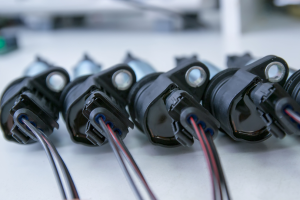
A set of ignition coils sitting on a table near Indianapolis, Indiana

3 Signs of a Faulty Ignition Coil

Ignition coils act like mini transformers. A coil is connected to each spark plug, boosting its 12-volt output to 30,000 volts and igniting the fuel-air mixture to produce combustion. Coils will wear out due to age and can be damaged by spark plug failures or other engine issues. As your Honda dealership, we want to tell you a few signs you may need to visit us for new coils. more Fuel-Air Mixture Problems The engine requires fuel and air to mix in a precise ratio of 14:1 air-to-fuel to produce efficient combustion. Too much air or too much fuel creates an imbalance. This affects engine performance and damages the coils. If the engine has too much air, the mixture is fuel-lean, while too much fuel makes the mixture fuel-rich. A fuel-lean engine forces the spark plugs to work harder as there's less fuel to burn. This causes their connected coils to fire more often and wear out faster. A fuel-rich engine creates carbon, which sticks to the plugs and coils. Sticky carbon deposits make it harder for the plugs and coils to work, and this damages the coils. Our technicians can correct the fuel-air mixture issue and test the coils, replacing them if they're damaged. Old Coils Coils wear out in time like all other components. On average, coils need replacement every 60,000 to 100,000 miles. The correct replacement time for your coils is listed in your Honda handbook. Worn coils provide less power to the spark plugs, making igniting the fuel-air mixture more difficult. If the spark plugs don't have enough power, the fuel-air mixture burns irregularly instead of creating a perfectly timed series of ignitions. Misfiring is what happens when fuel burns irregularly. You'll experience a dip in power and a shudder-like feeling from the engine. Continued misfiring can also result in long-term engine damage as it increases wear and tear on the cylinders and pistons. We'll examine your coils and replace any that have failed, and your engine performance will return to normal. Check Engine Light The check engine light illuminates if engine sensors detect any problem that affects engine performance. These sensors are connected to every important component, and they can detect even the slightest change in these components. A worn or damaged coil supplies less or irregular power, which affects the performance of its connected spark plug. The sensors will identify this problem and instantly advise your computer. The computer logs this problem and activates the check engine light. We'll connect your computer to our diagnostic system to find the cause of the trouble. Once the affected coils are replaced, the engine light will go out. If you experience a problem with the coils, contact our service department at Ed Martin Honda in Indianapolis, IN.

One person holding a thumbs-up sign, next to another person holding a wrench inside of a service center near Indianapolis, Indiana

4 Maintenance Tips for Your New Honda

Congratulations! You are the proud owner of a new Honda! To take care of your brand-new car's maintenance requirements, we share helpful Honda maintenance tips to make it easy and affordable to keep your Honda in top running condition for thousands of miles. more 1. Read Your Honda Owner's Manual The first thing you should do after buying your new car is to get comfortable in the driver's seat and read your Honda owner's manual. It has all the information about your Honda model, from how to operate your vehicle and the different meanings of the dashboard warning lights to how the Maintenance Minder works. The information in your manual is critical in keeping your Honda reliable, fuel-efficient, and on the road much longer. 2. Keep an Eye on the Maintenance Minder Not so long ago, Honda owners relied on the service schedule and mileage intervals for information on their cars' service requirements and specific maintenance tasks that needed to be performed. Not anymore. The innovative Maintenance Minder monitors your Honda's operating conditions, such as the speed and engine temperature, and alerts you when your car needs new oil or maintenance. The Maintenance Minder shows your car's oil life as a percentage, starting at 100% and counting down to 0%. A warning light will go on when you need to take your car for a maintenance service. It even tells you what type of maintenance your Honda needs through codes. 3. Get Maintenance Fast With Honda Express Service Keeping up with your Maintenance Minder code A1, A2, B1, and B2 maintenance services is quick and easy with Honda Express Service. A service usually takes less than an hour, you get a free car wash, and you don't need to book an appointment. Just swing by when you have time, and our team of certified Honda technicians will give your car a service using genuine Honda parts and fluids, a multi-point inspection, and a car wash in 60 minutes or less, while you relax in our comfortable client lounge with complimentary refreshments and WiFi. 4. Take Advantage of Honda Service Pass Honda Service Pass is a complimentary service plan that makes it more affordable for you as the owner of a new model to take care of your car's maintenance requirements. The plan covers maintenance tasks, such as oil changes, multi-point inspections, and tire rotations indicated by the Maintenance Minder for up to 24,000 miles or two years, whichever comes first. Owning a new and shiny Honda comes with a lot of great perks! Best of all, taking care of your brand-new car's maintenance requirements is hassle-free and affordable. Stop at Ed Martin Honda in Indianapolis, IN, today, and our certified Honda technicians will ensure that you continue to enjoy every mile behind the wheel of your new car.

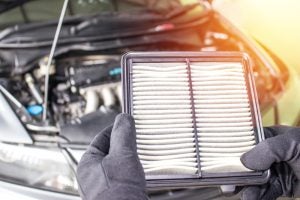
A mechanic holding a car's air filter in a service center near Indianapolis, IN

How Often Does Your Honda Need a New Air Filter?

Your car's engine needs a steady intake of fresh oxygen to mix with the fuel inside each cylinder. The air filter keeps airborne debris from entering the engine, but over time, these filters become dirty and clogged up with all the contaminants they collect. This means you need to periodically head to your local Honda dealership for a new air filter. Let's look at how often you should do this. more Change Your Filter Every 30,000 to 45,000 Miles A typical interval for air filter replacement is once every 30,000 to 45,000 miles, which is about once every two to three years. This schedule will work for most drivers who don't drive in particularly dusty or dirty conditions. Check the Owner's Manual for Your Vehicle Each vehicle make and model has its own recommended interval for air filter changes. It's always best to follow this specific guidance, so take a look in your owner's manual now. Consider How Dusty Your Driving Conditions Are Of course, how rapidly an air filter becomes clogged up with debris depends on how much dust and dirt is entering from the air outside. This means drivers who live in particularly hot and dusty environments, or who regularly use unpaved roads, will need a new filter more frequently. Even regular commuting in heavy traffic puts air filters under more strain than usual. Keep an Eye on the Condition of Your Filter The surest way to know how soon you'll need to buy a new filter is to routinely check the condition of your current one. Draw your air filter out of the compartment every now and then to check how discolored or grimy it looks. New filters tend to be white or off-white in hue, fading to grey or black as they collect contaminants. While inspecting it, make sure you look in between the filter's pleats. If the filter looks very dirty and has clogged-up patches, then you can safely assume it's time for a new one. Watch Out for Signs of an Oxygen-Starved Engine When an air filter becomes clogged, it can restrict the inflow of air to the engine. This can lead to engine misfires, dropping engine power, backfiring, smoke emerging from the tailpipe, and other problems. If you notice such issues developing in your car, check the condition of your air filter right away. Ask for Guidance at Your Local Honda Dealership If in doubt, you can always ask the technicians at your local dealership to inspect your air filter. They can also let you know how long it's likely to be before you need a replacement. Visit Ed Martin Honda in Indianapolis, IN, today to have your air filter replaced with a new one. We're a long-standing family-owned dealership that's been diligently serving the drivers of Indianapolis for decades.

Contact Us

Fill out this form below and we'll contact you shortly
*Required Fields