

Blog / Auto Maintenance

Blog

All Auto Maintenance Indianapolis Honda Dealer Ed Martin Honda Around Town Indianapolis Honda Service Ed Martin Honda Service Safety Features 2024 Lineup 2026 Models 2026 Honda Service Guide Auto Parts Auto Financing Indianapolis Used Cars Sedan Honda Pilot 2025 Models Civic Honda Odyssey CR-V Hybrid Honda Accord Hybrid Honda HR-V Oil Change Winter Tires Air Filter CR-V Honda Accord Honda Civic Car Battery Civic SI Finance Honda CR-V Honda Prologue Winter 2026 Honda Accord 2026 Honda Passport 2026 Honda Prelude 2026 Honda Ridgeline Civic Type R EV Headlights Minivan SUV
One person holding a thumbs-up sign, next to another person holding a wrench inside of a service center near Indianapolis, Indiana

4 Maintenance Tips for Your New Honda

Congratulations! You are the proud owner of a new Honda! To take care of your brand-new car's maintenance requirements, we share helpful Honda maintenance tips to make it easy and affordable to keep your Honda in top running condition for thousands of miles. more 1. Read Your Honda Owner's Manual The first thing you should do after buying your new car is to get comfortable in the driver's seat and read your Honda owner's manual. It has all the information about your Honda model, from how to operate your vehicle and the different meanings of the dashboard warning lights to how the Maintenance Minder works. The information in your manual is critical in keeping your Honda reliable, fuel-efficient, and on the road much longer. 2. Keep an Eye on the Maintenance Minder Not so long ago, Honda owners relied on the service schedule and mileage intervals for information on their cars' service requirements and specific maintenance tasks that needed to be performed. Not anymore. The innovative Maintenance Minder monitors your Honda's operating conditions, such as the speed and engine temperature, and alerts you when your car needs new oil or maintenance. The Maintenance Minder shows your car's oil life as a percentage, starting at 100% and counting down to 0%. A warning light will go on when you need to take your car for a maintenance service. It even tells you what type of maintenance your Honda needs through codes. 3. Get Maintenance Fast With Honda Express Service Keeping up with your Maintenance Minder code A1, A2, B1, and B2 maintenance services is quick and easy with Honda Express Service. A service usually takes less than an hour, you get a free car wash, and you don't need to book an appointment. Just swing by when you have time, and our team of certified Honda technicians will give your car a service using genuine Honda parts and fluids, a multi-point inspection, and a car wash in 60 minutes or less, while you relax in our comfortable client lounge with complimentary refreshments and WiFi. 4. Take Advantage of Honda Service Pass Honda Service Pass is a complimentary service plan that makes it more affordable for you as the owner of a new model to take care of your car's maintenance requirements. The plan covers maintenance tasks, such as oil changes, multi-point inspections, and tire rotations indicated by the Maintenance Minder for up to 24,000 miles or two years, whichever comes first. Owning a new and shiny Honda comes with a lot of great perks! Best of all, taking care of your brand-new car's maintenance requirements is hassle-free and affordable. Stop at Ed Martin Honda in Indianapolis, IN, today, and our certified Honda technicians will ensure that you continue to enjoy every mile behind the wheel of your new car.

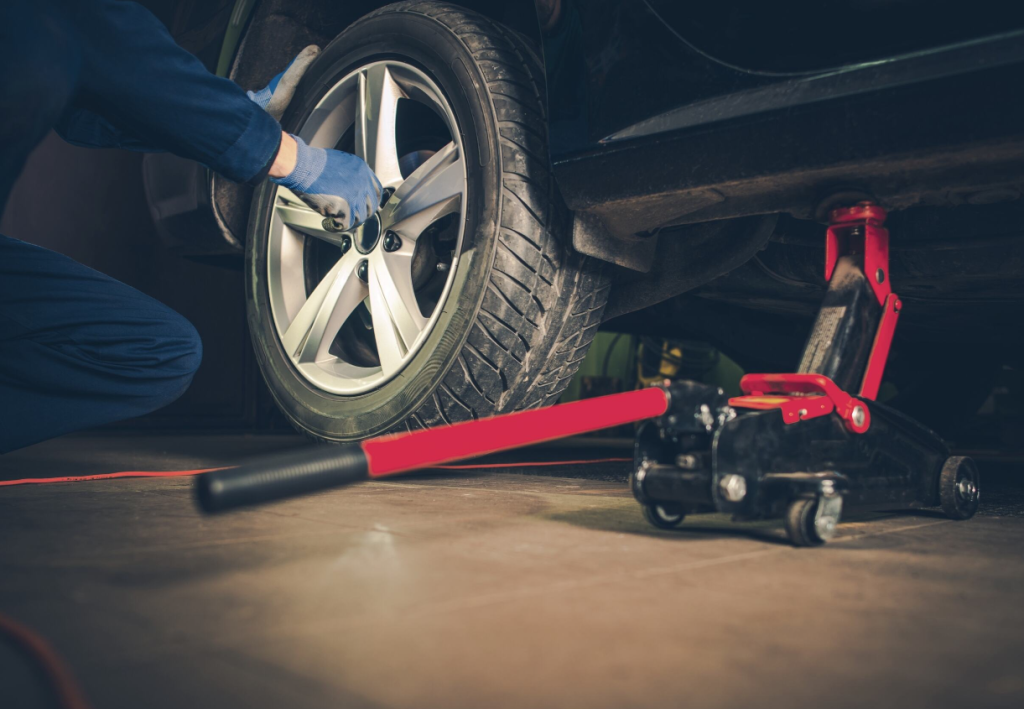
How Often Does Your Honda Need a Tire Rotation?

If your car has started to feel a little rougher on the road, it might be time to rotate your tires. Car tires almost always wear down unevenly, which shortens the lifespan of tires and also hampers vehicle handling. Routine tire rotation is an easy solution to uneven tire wear. Let's consider how often you should visit your local Honda dealership to have your car's tires swapped around. more Twice a Year Is a Good Rule of Thumb It's generally advised to have tires rotated twice a year. You can check your owner's manual and also your tire warranty for manufacturer recommendations. When it comes to rotating your tires, the more often you do it, the longer they'll last in good shape, which can amount to considerable cost savings over the years. And with more consistently even tires, you'll generally be safer on the road. Look Out for Signs of Uneven Tires No matter how long ago your last rotation was, it's best to have a rotation as soon as you notice signs of uneven tires. Your car will be noisier and vibrating more with uneven tires. You might also find it harder to steer precisely; your car's handling will feel less sure and you might experience moments of reduced traction on wet patches of tarmac. With uneven tires, your fuel economy will also reduce as heightened road friction increases drag. So you may find yourself spending more money at the gas station. Finally, when you inspect your tires, you're likely to see excessive wear on the front tires, sometimes on the rear tires, or perhaps irregular wear patterns on both sides of a single tire. Repair the Underlying Causes of Uneven Tire Wear Uneven tire wear can result from a variety of factors. The unbalanced weight distribution at the front and back of any car is one cause. The way a car's weight shifts forward whenever it brakes is another. Vehicle faults such as misaligned wheels or poorly inflated tires can also accelerate uneven tire wear. If your tires are surprisingly uneven, ask the technician to check for underlying faults and have them repaired to protect your tires in the future. Schedule Routine Rotations at Your Local Honda Dealership Given the importance of regular rotations, it's a good idea to schedule routine rotations at your nearest dealership. You may find it convenient to have your tires swapped around while having your oil changed, brakes inspected, and wheels aligned. Visit Ed Martin Honda in Indianapolis, IN, today to have your tires inspected and rotated by experienced professionals. We're a local family-owned and operated dealership that's been proudly serving the drivers of Indianapolis with top-notch cars and customer care for decades.

The rear side of a 2024 Honda HR-V driving on a city street near Indianapolis, Indiana

Trim Levels of the the 2024 Honda HR-V

A spirited drive and practical interior make the 2024 Honda HR-V a small SUV segment's hero. It comes in three trim levels suitable for anything from leisurely rides across the town to off-road adventures. more LX The base trim of the Honda HR-V is powered by a 158-horsepower in-line 4-cylinder engine that connects to a continuously variable automatic transmission to power a front-wheel drivetrain. This configuration, which is standard across all trim levels, is perfect for daily use in the city and casual road trips. Adventurers can upgrade to an all-wheel drivetrain with an intelligent control system, which is an option on all trim levels. Honda equips this trim with plenty of comfort features, including a manually adjustable driver's seat and a 60/40 split-fold rear bench that makes it easy to customize the cargo and passenger space. A 7-inch center touchscreen and 7-inch digital gauge provide easy access to drive information and entertainment. Apple CarPlay and Android Auto integration also come standard, and the car comes with a convenient SMS text message function. Sport One of the Sport trim's main highlights is the exterior styling with 18-inch Gloss Black alloy wheels that enhance the model's sporty allure. The model also boasts an exclusive Sport front grille and a chrome exhaust finisher. Standard upgrades compared to the LX trim include rear privacy glass and a smart entry system that auto-locks the car as you walk away. Another convenience highlight is the standard remote engine start. Standard interior features are also plentiful and include heated front seats, leather-wrapped steering wheel and shift knob, and power windows with automatic up and down for the driver and front passenger. The infotainment system comes with its own upgrades, including a standard 6-speaker audio system for an enhanced listening experience. EX-L The EX-L trim boasts a suite of luxury features that set it apart from the other models. One of the most sought-after upgrades is the exclusive one-touch power moonroof offered as standard. Heated exterior mirrors with signal turn indicators and an auto-dimming rearview mirror enhance driving convenience. An 8-way power-adjustable driver's seat and dual-zone automatic climate control enhance comfort for the driver and passengers. Ambient lighting and leather-trimmed seats come standard and add a luxe feel to the cabin. Standard tech upgrades include a 9-inch center touchscreen with customizable features and smart shortcuts, wireless Android Auto and Apple CarPlay, and an 8-speaker audio system that delivers crisp acoustics. Integrated SiriusXM, HD Radio, and a Qi-compatible phone charger are other high-end standard highlights. Ready to take your preferred trim for a spin? Visit us at Ed Martin Honda in Indianapolis, IN to find the answers to any questions you might have and schedule your test drive.

A mechanic holding a car's air filter in a service center near Indianapolis, IN

How Often Does Your Honda Need a New Air Filter?

Your car's engine needs a steady intake of fresh oxygen to mix with the fuel inside each cylinder. The air filter keeps airborne debris from entering the engine, but over time, these filters become dirty and clogged up with all the contaminants they collect. This means you need to periodically head to your local Honda dealership for a new air filter. Let's look at how often you should do this. more Change Your Filter Every 30,000 to 45,000 Miles A typical interval for air filter replacement is once every 30,000 to 45,000 miles, which is about once every two to three years. This schedule will work for most drivers who don't drive in particularly dusty or dirty conditions. Check the Owner's Manual for Your Vehicle Each vehicle make and model has its own recommended interval for air filter changes. It's always best to follow this specific guidance, so take a look in your owner's manual now. Consider How Dusty Your Driving Conditions Are Of course, how rapidly an air filter becomes clogged up with debris depends on how much dust and dirt is entering from the air outside. This means drivers who live in particularly hot and dusty environments, or who regularly use unpaved roads, will need a new filter more frequently. Even regular commuting in heavy traffic puts air filters under more strain than usual. Keep an Eye on the Condition of Your Filter The surest way to know how soon you'll need to buy a new filter is to routinely check the condition of your current one. Draw your air filter out of the compartment every now and then to check how discolored or grimy it looks. New filters tend to be white or off-white in hue, fading to grey or black as they collect contaminants. While inspecting it, make sure you look in between the filter's pleats. If the filter looks very dirty and has clogged-up patches, then you can safely assume it's time for a new one. Watch Out for Signs of an Oxygen-Starved Engine When an air filter becomes clogged, it can restrict the inflow of air to the engine. This can lead to engine misfires, dropping engine power, backfiring, smoke emerging from the tailpipe, and other problems. If you notice such issues developing in your car, check the condition of your air filter right away. Ask for Guidance at Your Local Honda Dealership If in doubt, you can always ask the technicians at your local dealership to inspect your air filter. They can also let you know how long it's likely to be before you need a replacement. Visit Ed Martin Honda in Indianapolis, IN, today to have your air filter replaced with a new one. We're a long-standing family-owned dealership that's been diligently serving the drivers of Indianapolis for decades.

How Often Do You Need to Get a Honda Oil Change?

How Often Do You Need to Get a Honda Oil Change? Your best friend insists your Honda's oil should be changed every six months. Your neighbor says they wait up to 11,000 miles between oil changes, and an online post you read recommended that you change your oil at least three times every year. So what giv es? How often should you schedule a Honda oil change? more How Often Do You Need to Get a Honda Oil Change? The basic rule of thumb says cars using conventional oil should get a n oil change every 3,000 to 5,000 miles, which is about every 3 to 5 months. Vehicles that use synthetic oil should service every 7,500 to 10,000 miles, or every 7 to 10 months. That said, it's a great idea to always check the car owner's manual to determ ine the precise time you should schedule an oil change for your car. Moreover, you should be aware of some warning signs that notify you when your oil requires changing. These include the oil change warning light, loud engine noises, an oil smell inside th e car, and dark or dirty oil. What Affects Oil Change Routine? Oil change intervals vary depending on your car's model. Newer Honda car models come equipped with oil sensors that monitor climate, driving habits, and other conditions to determine the freq uency of oil changes. The oil change routine in earlier Honda models is usually determined based on time and mileage. Another factor that can affect your oil change routine is your driving style. If you like racing or driving at maximum speed or high rpm, your oil consumption will be high and you'll be required to change your oil more often. Driving conditions can also affect your oil change schedule; the more you drive in severe or hard conditions, the more oil changes you will require in the future. Seve re driving conditions may include, frequent towing, long-distance driving, or driving in extremely dusty areas or bad weather conditions. Why Perform Routine Oil Change? One of the primary reasons why you should change your Honda's oil more frequently is that it'll help keep your engine lubricated and cool. This will, in turn, prevent friction and overheating, enabling the engine to run more efficiently and smoothly. Routine oil changes as well as replacing your fuel filters more often will also lead to c leaner tailpipe emissions. Routine oil changes are also an opportunity for regular car maintenance and servicing. This will help you catch and fix potential safety issues before they develop into serious, costly problems. How Often Should You Check a Ho nda Oil Level? You should check your car's oil levels at least once every month. Regularly checking the oil levels will help you identify potential leaks and fix them before they wreak havoc. Also, check for any signs of lousy or old oil like change in col or and floating particles. Routine oil changes will ensure a long-lasting Honda engine with smooth performance. The service is quick and affordable when performed at Ed Martin Honda. Our experts are always ready to help keep your engine performing at its best for decades to come. Visit us today to talk with one of our expert service technicians..

Contact Us

Fill out this form below and we'll contact you shortly
*Required Fields