

Your Honda’s handling and safety require tires that are firm, even, aligned, and undamaged. The following Honda tire maintenance procedures will keep you as safe as possible from tire-related trouble on the road.
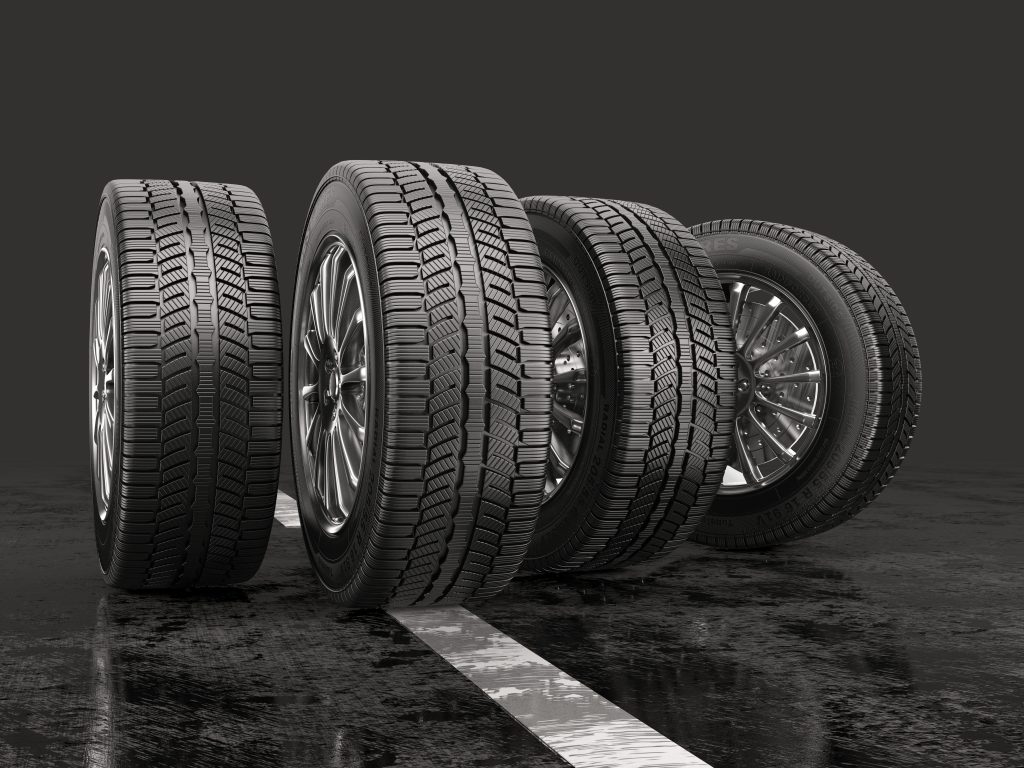
Honda Tire Maintenance: Ensuring Safety and Performance
Measure Tread Depth
Once your treads reach 2/32 of an inch in depth, it’s time for new tires. At anything below this shallowness, tire treads can’t safely displace water and maintain traction on wet surfaces. It’s a good idea to measure your tread depths monthly, especially when your tires are more than two or three years old.
Monitor Air Pressure
The pounds per square inch (PSI) of air pressure inside each tire must always be precisely the figure stipulated in your owner’s manual. Improperly inflated tires worsen performance and heighten the risk of blowouts. Drivers should familiarize themselves with their Honda’s target PSI and measure the pressure of each tire once a month. You can then remove or add air as needed.
Rotate Your Tires
It’s natural for car tires to become slightly uneven in wear over time. This occurs because every time you brake, accelerate, or steer, extra pressure is put on certain tires, which causes uneven wear patterns. However, uneven tire wear can lead to premature tire failure. It’s important to prevent this by having your tires rotated twice a year.
Check Tire Alignment
Your tires are also likely to slowly become misaligned. Potholes, curbs, parking stanchions, off-roading, and rough stretches of road all jolt and shake the suspension components holding each tire in place. This gradually alters the tire angles, which is bad for handling and road safety. It’s advisable to have your tire alignment measured every six months and corrected whenever necessary.
Balance Each Tire
Every tire has an ever-so-slightly heavier spot, which can cause uneven wear and excess vibrations. You can have this fixed with tire balancing. Over time, this problem tends to reappear in different parts of the tire, which means you’ll need regular balancing; twice a year works well for many drivers.
Watch Out for Tire Trouble
Each time you inspect their treads and air pressure, also scan your tires for signs of harm. Strange bulges, cuts, cracks, or embedded objects should be brought to the attention of a trusted technician who can either repair or replace the tire.
You might also notice signs of bad tires while driving. Increased vibrations and road noise could indicate a problem, and squealing sounds might mean a tire or two has become misaligned. Any momentary loss of traction is a serious issue that shouldn’t be ignored. Tire problems could also worsen your car’s gas mileage, handling, and overall performance, which makes you feel less confident and safe behind the wheel.
Allow us to maintain or replace your tires. Come to Ed Martin Honda in Indianapolis, IN today for any of the aforementioned tire services.
Connect with us


