

Optimizing the lifespan of your brakes takes a two-pronged approach. For one, you need good Honda brake maintenance, which includes prompt replacements of worn-out brake pads. It’s also wise to take it easy on your brakes during your daily drives. Let’s look at how to do both.
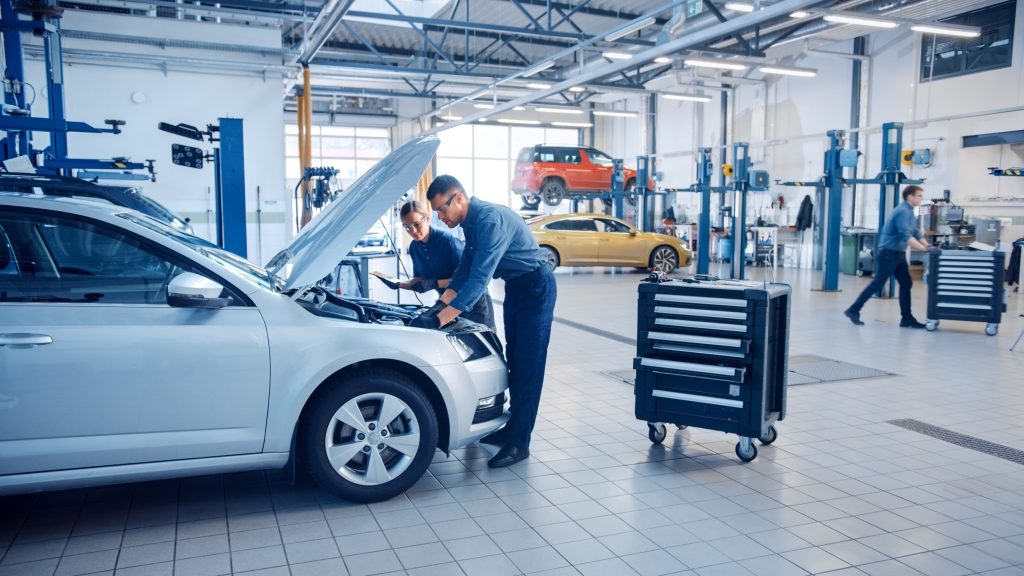
Maintaining Your Honda’s Brake System: 6 Essential Tips
Check Your Brake Fluid Monthly
Brake fluid typically only needs to be flushed every two years, but it’s important to keep an eye on it with monthly checks. If you find that your fluid has faded from clean, transparent yellow to a dark and dirty appearance, you may need to change it early. Also, never ignore a pool of fluid near the wheels, as it may be a brake fluid leak.
Listen for Squealing Pads
When you use your brakes, the brake pads are pressed against the rotors, which generates stopping friction and also wears the pads down. When a brake pad has almost lost its friction layer, it will usually emit a high-pitched squealing, which means it’s time for a new pad.
Notice Other Signs of Brake Trouble
If your brakes seem weaker one day, take heed. On rare occasions, brakes can fade when overheating or because of a fluid leak. These kinds of problems require the immediate attention of a mechanic. Likewise, any grinding or clattering sounds from the brakes indicate a need for repairs.
Book Biannual Honda Brake Maintenance
However firm your brakes are, have them inspected twice a year. This allows our mechanics to examine each part, including the hoses and brake fluid. The practiced eye of a technician can detect even subtle signs of wear and tear before the driver might have noticed.
Coast More and Brake Less
Whenever you’re nearing a stop or corner, take your foot off the gas and allow your car to coast, which slows it down effectively. You may then only need to use your brakes half as much, saving the pads and rotors from a good deal of pressure.
Lighten the Load in Your Car
The heavier the vehicle, the more strain on the brakes. Your brakes will last longer if you can find ways to make your car lighter. For starters, you may be able to remove unnecessary objects from the cabin, trunk, and roof rack, such as unused sports equipment, heavy floor mats, and toolkits.
In the longer run, you might consider removing the rear row of seats if you drive an SUV, installing lighter alloy wheels, and even upgrading your chassis and brakes. Anything you can do to lighten your car saves not only the brakes but also the engine and transmission from wear.
Visit Penske Honda Ontario in Ontario, CA, today for prompt, courteous automotive servicing. Whatever you need, we offer a first-class vehicle purchasing and maintenance experience.
Connect with us


Recent Blog Entries
- Hybrid Cost Benefits in Indianapolis, IN: What Honda Drivers Should Know
- Discover the 2026 Honda Civic Si
- The 2026 Honda Prelude: A Hybrid Coupe Redefining Driving in Indianapolis, IN
- The 2026 Honda HR-V: A Compact SUV Perfect for Indianapolis Drivers
- 2026 Honda Pilot: A Considered Approach to the Modern Family SUV